
Getting a home ready for the market is one of the most important steps a seller can take to influence final sale price, buyer interest, and how smoothly the transaction unfolds. Homes that feel well cared for, thoughtfully prepared, and priced with intention tend to attract stronger offers and spend less time on the market. Market readiness is not about perfection or expensive renovations. It is about presenting the home in a way that helps buyers clearly see its value and imagine themselves living there. Strategic preparation focuses on condition, presentation, and clarity, ensuring the home competes well with other homes currently for sale. When preparation is handled with care, it often leads to a better first impression, increased buyer confidence, and a stronger negotiating position.
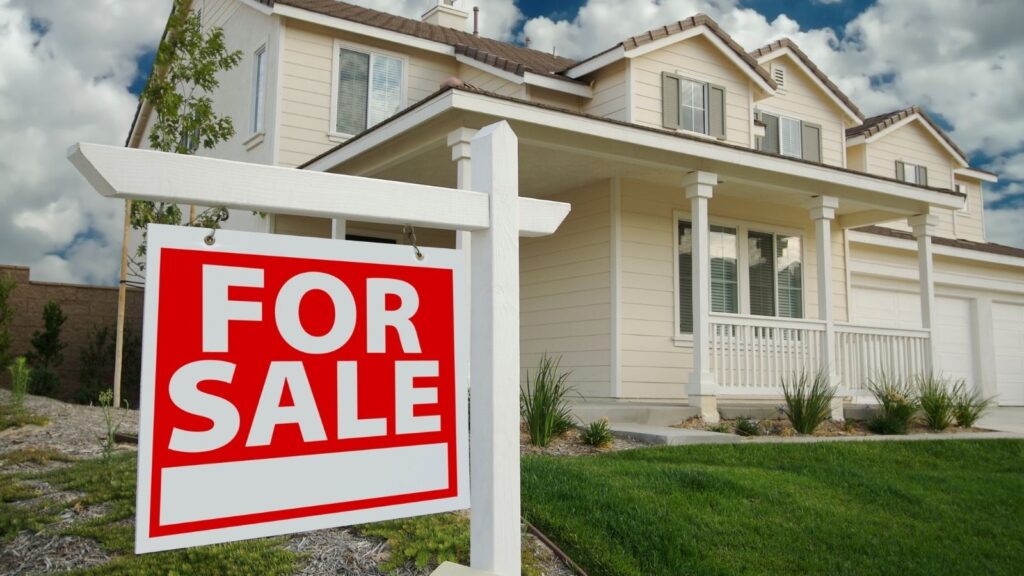
How Do You Start Preparing Your Home for Sale the Right Way?
Preparing your home the right way begins with understanding how buyers evaluate homes and aligning preparation efforts with what truly impacts value. Buyers typically assess a property within minutes, forming opinions based on condition, layout, light, cleanliness, and overall feel. Starting with an objective walk-through of the home helps identify areas that may distract or concern buyers. This includes visible wear, unfinished projects, clutter, or outdated features that dominate first impressions.
The most effective preparation plan starts with addressing basic maintenance items. Minor repairs, such as leaky faucets, squeaky doors, loose handles, cracked tiles, or peeling paint, signal neglect to buyers, even when the issues are inexpensive to fix. Completing these tasks early prevents them from becoming leverage points in later negotiations. Systems such as HVAC, plumbing, and electrical should be in good working order, as buyers often pay close attention to signs of deferred maintenance.
Once repairs are addressed, attention should turn to cleanliness and organization. A clean home suggests careful ownership and reduces concerns about hidden issues. Deep cleaning carpets, floors, kitchens, bathrooms, windows, and baseboards helps the home feel fresh and well-maintained. Clearing excess items from closets, cabinets, and storage areas also matters, as buyers open doors and evaluate available space.
Preparing the home properly also involves separating personal attachment from presentation. While memories and personal touches matter to sellers, buyers need space to imagine their own lives. Thoughtful preparation sets the foundation for every step that follows, ensuring that improvements, staging, and pricing efforts are built on a solid base.
Why Do Repairs and Maintenance Matter So Much to Home Value?
Repairs and maintenance play a significant role in how buyers perceive value because they influence confidence, risk assessment, and emotional response. Buyers often approach a purchase cautiously, especially when evaluating older homes or competitive markets. Visible maintenance issues can raise concerns about larger, unseen problems, even when those concerns are unfounded. Addressing repairs proactively helps eliminate doubts and positions the home as well-maintained.
Minor repairs often deliver a strong return because they prevent buyers from mentally discounting the price. A small issue, such as a dripping faucet or a cracked outlet cover, may seem insignificant, yet buyers may assume there are multiple unresolved problems. This can lead to lower offers or requests for concessions after inspections. Completing repairs before listing reduces the likelihood of price reductions tied to condition.
Maintenance also affects how inspectors report on the property. While inspections are designed to uncover defects, homes with consistent upkeep tend to produce cleaner reports with fewer red flags. A smoother inspection process often leads to more confident buyers and fewer negotiation hurdles. This can shorten the time from contract to closing and reduce sellers’ stress.
Larger maintenance considerations, such as roof condition, HVAC age, and water heaters, also influence perceived value. Even when systems are older, documentation showing regular servicing can reassure buyers. Transparency about maintenance history supports trust and credibility throughout the transaction.
Ultimately, repairs and maintenance are about protecting value rather than overinvesting. Focusing on functionality, safety, and visible care helps the home compete effectively while avoiding unnecessary expenses that may not increase buyer willingness to pay.
How Does Decluttering and Depersonalizing Increase Buyer Appeal?
Decluttering and depersonalizing increase buyer appeal by allowing the home’s features to take center stage instead of personal belongings. Buyers are not purchasing furniture, collections, or memories. They are evaluating space, flow, and potential. When rooms are crowded or heavily personalized, it becomes harder for buyers to imagine themselves living there.
Decluttering improves visual space and functionality. Removing excess furniture makes rooms appear larger and highlights architectural features such as windows, flooring, and layout. Clear countertops and open surfaces help kitchens and bathrooms feel more usable and modern. Closets and storage areas benefit greatly from decluttering, as buyers often view storage capacity as a key decision factor.
Depersonalizing involves reducing items that strongly reflect individual tastes or lifestyles. Family photos, highly specific decor, bold color themes, and niche collections can unintentionally distract buyers. Neutralizing these elements creates a more universally appealing environment. The goal is not to eliminate warmth but to create balance and flexibility in presentation.
This process also helps sellers prepare emotionally for the transition. Packing nonessential items early reduces last-minute stress and helps ensure a smoother move later. From a practical standpoint, it simplifies staging and photography by presenting cleaner lines and consistent visuals.
Decluttering and depersonalizing are among the most cost-effective preparation steps available. They require time and intention rather than major financial investment, yet they significantly influence how buyers perceive value, livability, and potential.
What Role Does Fresh Paint Play in Maximizing Value?
Fresh paint plays a powerful role in maximizing value because it directly affects first impressions and emotional response. Paint is one of the most visible elements of a home, and worn, dated, or bold colors can distract buyers from the home’s strengths. Neutral, well-applied paint creates a clean backdrop that feels move-in ready and well-maintained.
Light, neutral tones help spaces feel brighter and larger, which appeals to a wide range of buyers. They also reflect natural light more effectively, enhancing the home’s overall feel. Fresh paint can soften the appearance of older features and unify spaces with varying finishes or styles.
From a value perspective, paint offers one of the highest returns on investment among preparation tasks. Buyers often factor repainting into their perceived costs, even when the actual expense is modest. When a home already feels updated and cohesive, buyers are more likely to focus on its benefits rather than future projects.
Paint also highlights cleanliness and care. Scuffed walls, nail holes, and uneven patches can signal neglect. Addressing these areas makes the home feel polished and complete. In some cases, repainting trim, doors, or cabinetry can refresh the home without full renovations.
Choosing appropriate colors and finishes matters. Neutral tones with warm undertones tend to photograph well and appeal broadly. Flat or eggshell finishes often work best for walls, while semi-gloss suits trim and doors. Thoughtful paint choices support both in-person showings and online presentation, reinforcing value at every stage.
How Important Is Curb Appeal When Selling a Home?
Curb appeal is extremely important because it forms the first impression before buyers even step inside. Many buyers decide how they feel about a home within moments of arrival, and exterior presentation sets expectations for what follows. A well-maintained exterior signals pride of ownership and care, which influences perceived value.
Improving curb appeal does not require major landscaping projects. Simple actions such as trimming shrubs, mowing the lawn, edging walkways, and removing debris create a neat and welcoming appearance. Fresh mulch, seasonal plants, and clean flower beds add color and visual interest without large expense.
The front entry deserves special attention. A clean, freshly painted front door, updated hardware, and a tidy porch area make the home feel inviting. Replacing worn house numbers, cleaning light fixtures, and ensuring the doorbell works contribute to a positive experience.
Exterior maintenance also matters. Peeling paint, damaged siding, or visible wear can raise concerns before buyers ever enter the home. Power washing siding, walkways, and driveways can dramatically improve appearance and restore surfaces to a like-new look.
Curb appeal also plays a major role in online listings. Exterior photos are often the first images buyers see, and strong curb appeal increases click-through rates and showing requests. A home that looks appealing from the outside encourages buyers to explore further, setting the stage for stronger interest and competitive offers.
Should You Stage Your Home to Get a Higher Sale Price?
Staging often contributes to a higher sale price because it helps buyers visualize how the home functions and how spaces can be used effectively. Staged homes typically feel more balanced, spacious, and inviting. This emotional connection can influence a buyer’s willingness to pay and act quickly.
Staging does not always require hiring a full-service professional. In many cases, light staging using existing furniture, neutral accessories, and thoughtful arrangement can achieve strong results. The focus is on highlighting the room’s purpose, improving flow, and drawing attention to the home’s best features.
Key areas for staging include living rooms, primary bedrooms, kitchens, and dining areas. These spaces often carry the greatest emotional weight for buyers. Proper furniture placement can make rooms feel larger and more functional, while simple decor such as pillows, artwork, and plants adds warmth without overwhelming the space.
Staging also improves photography and marketing. Well-staged homes tend to photograph better, creating a stronger online presence. This can lead to increased showings and more competition among buyers. Even small staging adjustments can significantly enhance visual appeal.
While staging requires time and sometimes expense, it is an investment in presentation. When buyers can easily imagine living in the home, they are more likely to make strong offers with favorable terms.
How Do Lighting and Cleanliness Affect Buyer Perception?
Lighting and cleanliness strongly affect buyer perception by influencing mood, comfort, and trust. Bright, clean spaces feel welcoming and easier to maintain, while dim or dirty areas can create hesitation. Buyers often equate cleanliness with good overall care.
Maximizing natural light helps rooms feel open and cheerful. This includes opening curtains and blinds, cleaning windows, and removing heavy window coverings that block light. Artificial lighting should be consistent and functional throughout the home. Replacing outdated fixtures or mismatched bulbs improves overall ambiance.
Cleanliness goes beyond basic tidying. Deep cleaning kitchens, bathrooms, floors, and high-touch surfaces makes the home feel move-in ready. Odors should be addressed by cleaning carpets, upholstery, and ventilation areas. Neutral scents work best, as strong fragrances can be distracting.
Attention to detail matters. Clean baseboards, dust-free vents, and polished fixtures show care and effort. These details reinforce positive impressions and reduce buyer concerns. A clean home also allows buyers to focus on layout and features rather than distractions.
Lighting and cleanliness support both in-person and online experiences. Bright, clean homes photograph better and feel more inviting during showings. Together, they contribute significantly to perceived value and buyer confidence.
What Pricing and Preparation Strategy Works Best Together?
Pricing and preparation work best when aligned to market expectations and buyer behavior. A well-prepared home supports stronger pricing because buyers can clearly see value without mentally subtracting for repairs or updates. Preparation helps justify the price by presenting the home as competitive and desirable.
Pricing should reflect condition, location, market trends, and comparable sales. Overpricing a home, even when well prepared, can limit buyer interest and prolong market time. Proper preparation allows a home to compete favorably within its price range, increasing the likelihood of strong early interest.
Homes that are both well prepared and well priced often attract more attention in the first weeks on the market. This period is critical, as early interest can lead to multiple offers and better terms. Preparation supports this momentum by creating a positive impression from the first showing onward.
Flexibility also matters. Even with excellent preparation, market feedback may require adjustments. Monitoring buyer response and showing activity helps refine the strategy. Preparation ensures that feedback focuses on price rather than condition, making adjustments more straightforward.
Aligning preparation with pricing creates clarity for buyers. When value is evident, buyers are more comfortable making confident offers. This alignment supports smoother negotiations and a more successful sale overall.
How Can You Position Your Home for the Best Possible Outcome?
Positioning your home for the best possible outcome involves thoughtful preparation, realistic pricing, and clear presentation. Every step taken before listing influences how buyers perceive value and how smoothly the process unfolds. Homes that feel cared for, clean, and move-in ready tend to inspire confidence and attract stronger offers.
Preparation is an investment in outcome rather than appearance alone. Addressing maintenance, decluttering, refreshing paint, improving curb appeal, and staging strategically all work together to support value. These steps reduce buyer objections and shift focus to the home’s strengths.
Successful positioning also involves timing and responsiveness. Being ready to accommodate showings and responding promptly to feedback helps maintain momentum. Presentation should remain consistent throughout the listing period to reinforce value.
When preparation and pricing align, sellers often experience shorter market times, smoother negotiations, and fewer surprises. The goal is not perfection, but clarity and confidence. A home that presents well allows buyers to focus on what truly matters, leading to a more rewarding selling experience.
If you are preparing to sell and want guidance tailored to your home and market, reach out to us when you are ready to discuss the next steps and position your property for the strongest possible return.