
Buying a house is one of the most meaningful financial decisions many people make, and the process can feel both exciting and overwhelming at the same time. The right preparation helps you move forward with clarity and confidence rather than uncertainty. From evaluating the condition of the home to understanding how location, financing, and long-term costs fit into your life, every detail matters. A thoughtful approach lets you focus on what truly supports your goals, now and years down the road. Paying attention to the right factors early can prevent surprises later and help you recognize when a home is a strong match for your needs. The sections below walk through the most important considerations buyers should keep in mind as they search for a home, offering practical insight to support informed decisions and a smoother buying experience.
What Should You Consider About the Location Before Buying a Home?
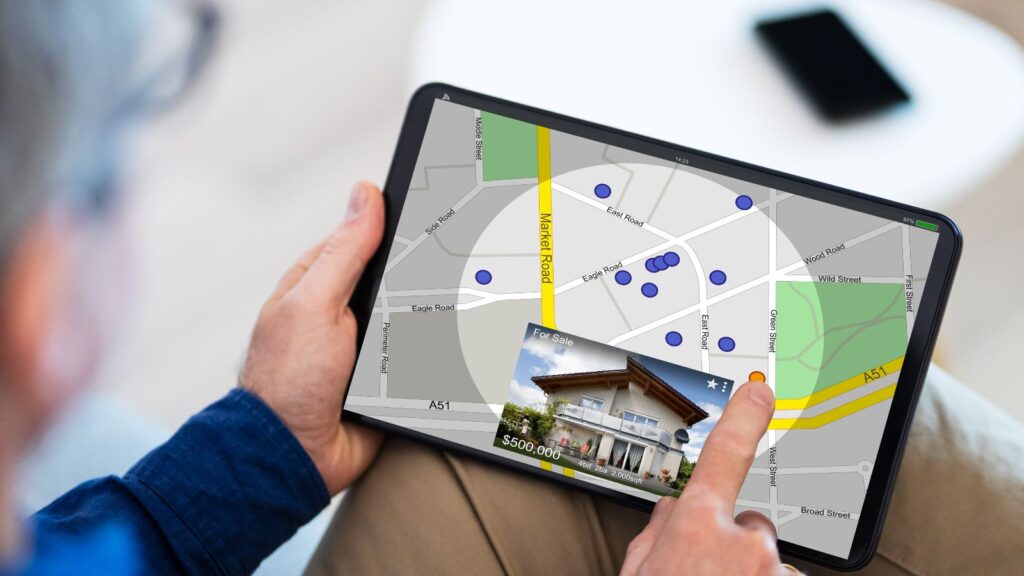
Location is one of the most important factors to consider when buying a home because it influences daily life, long-term value, and future flexibility. The right location supports your lifestyle needs while also protecting your investment over time. Commute times, access to major roads, and proximity to work or frequent destinations often shape how convenient a home feels once the excitement of moving in fades.
Neighborhood characteristics matter just as much as geography. Pay attention to how the area feels at different times of day, including traffic patterns, noise levels, and general activity. Nearby parks, shopping, dining, and community spaces can enhance quality of life and contribute to long-term satisfaction. Zoning and nearby development plans are also worth reviewing, since future construction or changes in land use can affect privacy and property values.
School districts often play a role, even if you do not currently have children, as they are closely tied to resale appeal. Access to healthcare facilities, emergency services, and everyday necessities should also be evaluated. A location that feels convenient today should continue to meet your needs as circumstances change.
Market trends vary widely by location, so understanding how home values have performed over time provides useful context. Some areas experience steady appreciation, while others fluctuate more dramatically. Local taxes, municipal services, and community regulations also differ and can influence overall affordability.
A home can be changed, updated, or expanded, but its location cannot. Taking time to understand how a location aligns with your priorities creates a foundation for a confident purchase and a more satisfying ownership experience.
How Important Is the Condition of the Home You Are Buying?
The condition of a home directly affects both immediate costs and long-term maintenance responsibilities. A property that appears attractive at first glance may hide issues that become expensive after closing. Evaluating the overall condition helps buyers understand what they are truly committing to beyond the purchase price.
Start with the major structural components, including the roof, foundation, and exterior walls. These elements are costly to repair and play a critical role in the home’s safety and longevity. Inside the home, pay close attention to plumbing, electrical systems, heating, and cooling equipment. Older systems may still function but could be nearing the end of their useful life, leading to replacement expenses sooner than expected.
Cosmetic updates, such as paint, flooring, or fixtures, are easier to address and often a matter of personal preference. Structural or mechanical concerns carry greater weight and should factor into both negotiations and budgeting decisions. An inspection provides professional insight into the home’s condition and highlights issues that may not be visible during a showing.
Maintenance history can also offer clues about how well a home has been cared for. Regular servicing, documented repairs, and thoughtful upgrades often indicate responsible ownership. Deferred maintenance may suggest future problems even if the home currently appears sound.
Understanding the condition helps buyers plan realistically. Some buyers prefer a move-in-ready home with minimal immediate work, while others are comfortable tackling repairs over time. Matching the home’s condition to your budget, skills, and expectations helps avoid stress and supports a smoother transition into homeownership.
What Features and Layout Should You Prioritize in a Home?
The features and layout of a home shape how functional and comfortable it feels on a daily basis. While style can be updated over time, the basic layout influences how well the space supports your routines and long-term needs. Focusing on function helps buyers choose a home that continues to work as life evolves.
Consider how the home flows from room to room and whether the layout aligns with how you live. Open living areas may support entertaining and connection, while more defined spaces can provide privacy and quiet. Bedroom placement, bathroom access, and storage capacity should reflect both current and future needs.
Natural light, ceiling height, and window placement contribute to a home’s overall feel and can be difficult to change later. Kitchen size and configuration often play a central role, as the kitchen is frequently one of the most used spaces in the home. Closet space, laundry location, and entryway design also affect everyday convenience.
Outdoor features deserve attention as well. Yard size, patio areas, and fencing can influence how you use and maintain the property. Garages, driveways, and additional storage structures add functionality that may be especially valuable in certain climates or lifestyles.
It is helpful to separate needs from wants. Needs are features that support essential living requirements, while wants enhance enjoyment but are not critical. Prioritizing needs first keeps decision-making grounded and reduces the risk of overlooking practical concerns in favor of aesthetics.
Choosing a layout that fits how you live today and how you may live in the future supports long-term satisfaction and reduces the likelihood of outgrowing the home too quickly.
How Does Your Budget Influence What You Should Look For?
Your budget sets the framework for every decision you make during the home-buying process. Looking beyond the purchase price helps ensure that the home you choose remains comfortable to afford long after closing. A realistic budget accounts for both upfront costs and ongoing expenses.
Monthly affordability should include the mortgage payment, property taxes, insurance, and any homeowners’ association dues. Utility costs, maintenance, and repairs also contribute to the true cost of ownership. Understanding these factors helps prevent financial strain and supports sustainable homeownership.
Down payment requirements vary depending on loan type, and a larger down payment can reduce monthly payments and interest costs. However, it is also important to maintain savings for emergencies and future repairs. Using all available funds for a down payment may limit flexibility later.
Budget considerations also affect the type of home and location you can reasonably pursue. Some homes may appear affordable but require significant updates that push costs higher over time. Others may be priced higher initially but offer lower maintenance and operating costs.
It is wise to build a buffer into your budget for unexpected expenses. Homeownership involves ongoing responsibility, and even well-maintained homes can present surprises. Planning for these possibilities reduces stress and allows you to respond confidently when issues arise.
Letting your budget guide your search creates clarity and focus. It helps narrow options, supports confident decision-making, and ensures that the home you choose fits comfortably within your financial life.
What Should You Know About the Neighborhood and Community?
The neighborhood and broader community shape your day-to-day experience as much as the home itself. Understanding the surrounding environment helps buyers determine whether a property truly fits their lifestyle and expectations.
Spend time exploring the area beyond scheduled showings. Visit at different times of day and on different days of the week to observe traffic, noise, and activity levels. This provides a more complete picture of what living there will feel like.
Community amenities such as parks, trails, libraries, and recreation centers add value and enhance quality of life. Access to shopping, dining, and essential services contributes to convenience and long-term satisfaction. Local events and community involvement can also influence how connected residents feel to the area.
Safety and local services are important considerations. Research crime trends, emergency response access, and municipal services. Local regulations, zoning rules, and development plans can affect future growth and neighborhood character.
Homeowner associations may impose rules regarding property appearance, rentals, or use. Understanding these guidelines upfront helps avoid surprises and ensures alignment with your preferences.
A strong sense of community often supports property values and resident satisfaction. While every neighborhood has its own personality, taking time to understand how a community functions helps buyers choose a place where they feel comfortable putting down roots.
How Do Schools and Services Affect Your Home Buying Decision?
Schools and public services play a significant role in shaping both daily life and long-term property value. Even buyers without school-age children often consider school quality because it influences resale appeal and neighborhood stability.
Research school district boundaries, performance metrics, and available programs. Access to public, private, and charter options provides flexibility and choice. Proximity to schools can also affect traffic patterns and noise during certain times of day.
Public services such as police, fire, and emergency medical response contribute to overall safety and peace of mind. Libraries, community centers, and recreational facilities enhance livability and support a wide range of activities.
Healthcare access is another important consideration. Proximity to hospitals, clinics, and specialized care supports both convenience and long-term planning. Reliable access to utilities, waste management, and infrastructure also affects daily comfort.
Transportation services, including public transit options, may influence commuting and lifestyle choices. Areas with strong service networks often attract long-term residents and support steady property values.
Evaluating schools and services provides insight into how well a community supports its residents. These factors influence not only current enjoyment but also future flexibility and marketability, making them essential to the home-buying decision.
What Role Does Future Resale Value Play When Buying a Home?
Future resale value is an important consideration even if you plan to stay in your home for many years. Life circumstances can change unexpectedly, and choosing a home with strong resale potential provides flexibility and financial protection.
Certain features consistently appeal to a broad range of buyers, including functional layouts, good location, and access to amenities. Homes in stable or growing areas often experience more predictable appreciation. Understanding local market trends helps buyers gauge long-term potential.
Avoiding overly specialized or highly personalized features can support resale appeal. While personal touches help make a house feel like home, extreme design choices may limit future buyer interest. Neutral foundations allow future owners to envision their own use of the space.
Maintenance and upgrades also influence resale value. Homes that are well cared for and updated as needed tend to perform better in the market. Deferred maintenance can reduce value and complicate future sales.
External factors such as planned infrastructure projects, zoning changes, and economic development can also affect future value. Staying informed about local plans provides helpful context.
Considering resale value does not mean sacrificing enjoyment. Instead, it encourages balanced decision-making that supports both current satisfaction and future flexibility, creating a stronger overall investment.
Why Is a Home Inspection and Due Diligence So Important?
A home inspection and thorough due diligence process protect buyers by uncovering important information before finalizing a purchase. These steps provide clarity and reduce the risk of unexpected issues after closing.
A professional inspection evaluates the condition of major systems and structural components. The resulting report highlights concerns that may require repair, monitoring, or further evaluation. This information supports informed negotiations and realistic planning.
Due diligence also includes reviewing disclosures, permits, and any past repair documentation. Understanding the property’s history helps buyers assess potential risks and ongoing responsibilities. Surveys and title reviews ensure clear ownership and identify boundary or access issues.
Environmental factors such as flood zones, drainage, or soil conditions may also require consideration. These elements influence insurance requirements and long-term maintenance.
Taking the time to complete due diligence supports confident decision-making. It allows buyers to move forward with a clear understanding of what they are purchasing and how it aligns with their expectations.
Skipping or rushing this process can lead to costly surprises. A careful approach ensures that the home meets both practical and financial needs, providing peace of mind as you transition into ownership.
Are You Ready to Find the Right Home for You?
Buying a home involves many moving parts, and paying attention to the right details makes a meaningful difference in the experience. From location and condition to budget, community, and future value, each consideration plays a role in shaping a successful purchase. Thoughtful preparation allows you to move forward with clarity rather than uncertainty and helps you recognize when a home truly fits your needs.
When you are ready to begin your search or want guidance through the next steps, reach out to us. We are here to help you evaluate options, understand the process, and move forward with confidence as you find a place to call home.